
Ikebana Cultural Program
Developed as part of the public program of the 2024 Diriyah Contemporary Art Biennale, “After Rain,” this three-day ikebana program combined seminar, demonstration, field observation, material gathering, and hands-on practice.
Project Overview
This program was developed in response to an invitation from the Diriyah Biennale Foundation for the public program of the 2024 Diriyah Contemporary Art Biennale, “After Rain.”
Rather than presenting ikebana only as a formal Japanese art, the program was designed as a way to observe the local environment, encounter plants in their existing conditions, and reconsider how cultural practice can emerge from the relationship between people, place, and material.
Conducted across three days with Arabic and English interpretation from Japanese, the program moved from lecture and demonstration to field observation, material gathering, and hands-on ikebana practice. Through this structure, participants were invited not only to learn about ikebana, but also to look again at the plants, weeds, dried stems, and surrounding landscape found in Riyadh.
Program Structure
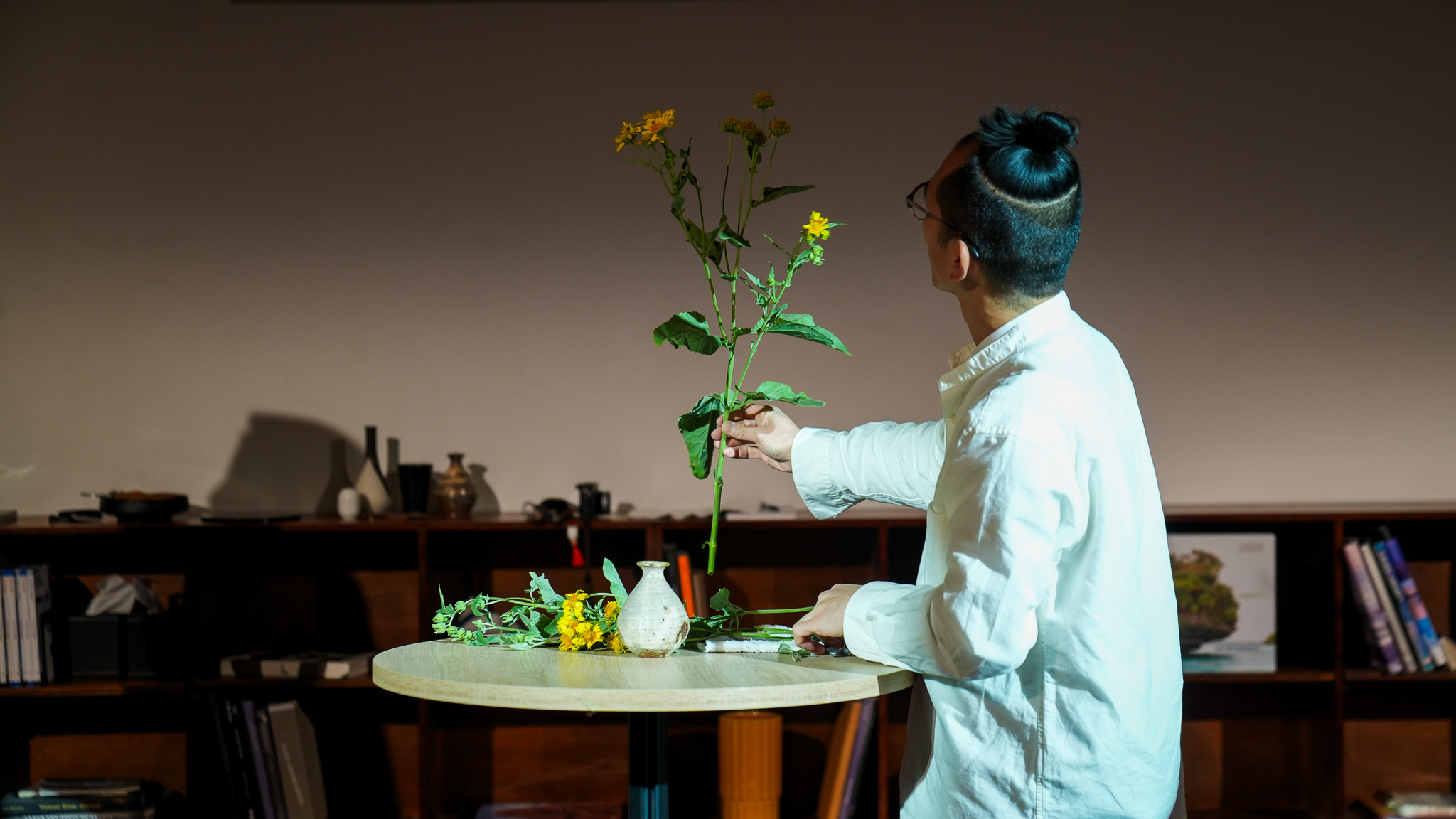
The first day took the form of a seminar and demonstration. I introduced the history of ikebana, my own approach to plants, and the way ikebana can be understood not only as arrangement, but as a practice of observation. The session developed into an extended conversation, including questions about ikebana, Japanese perceptions of nature, and possible differences between natural environments in Japan and Saudi Arabia.
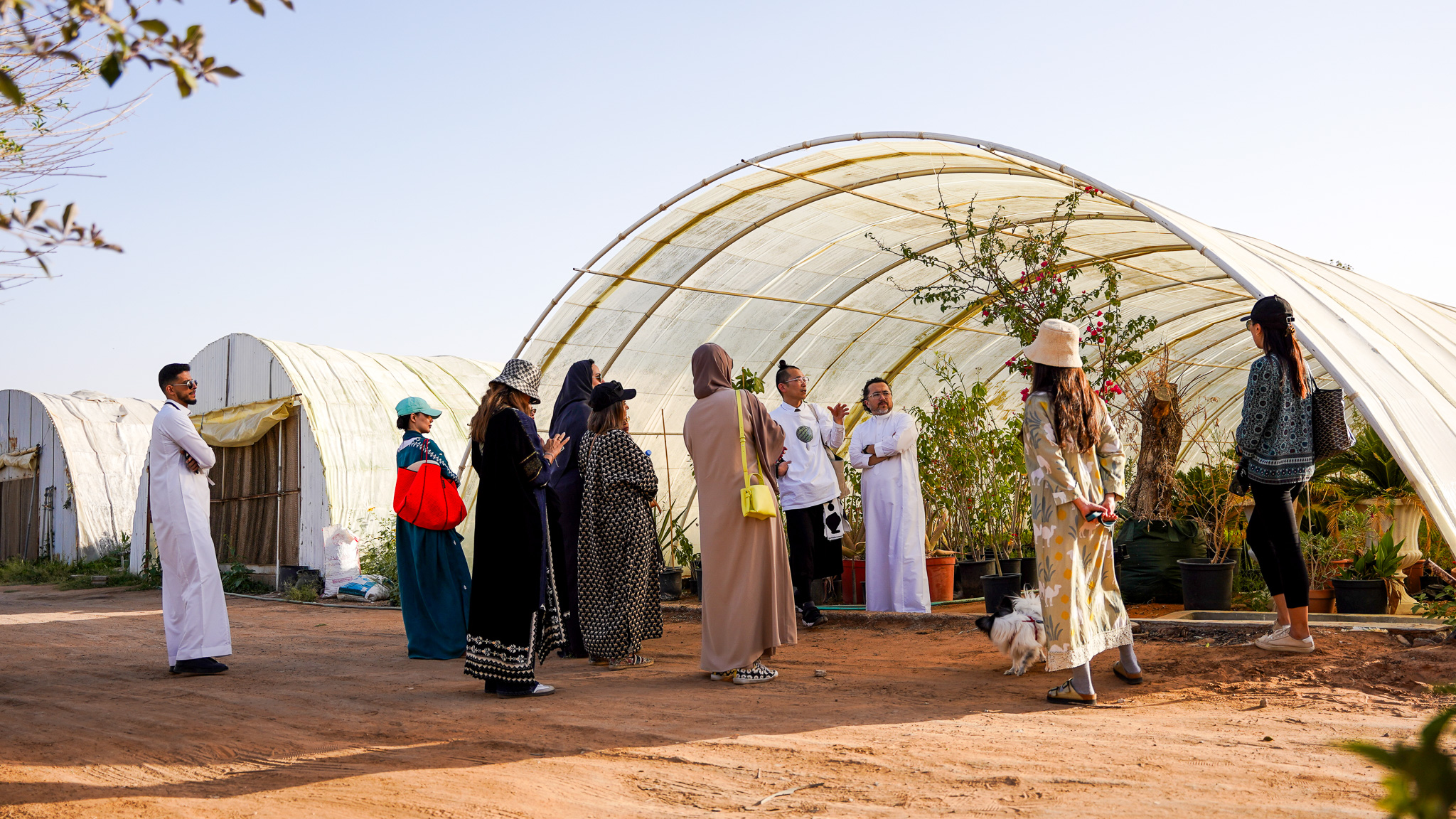
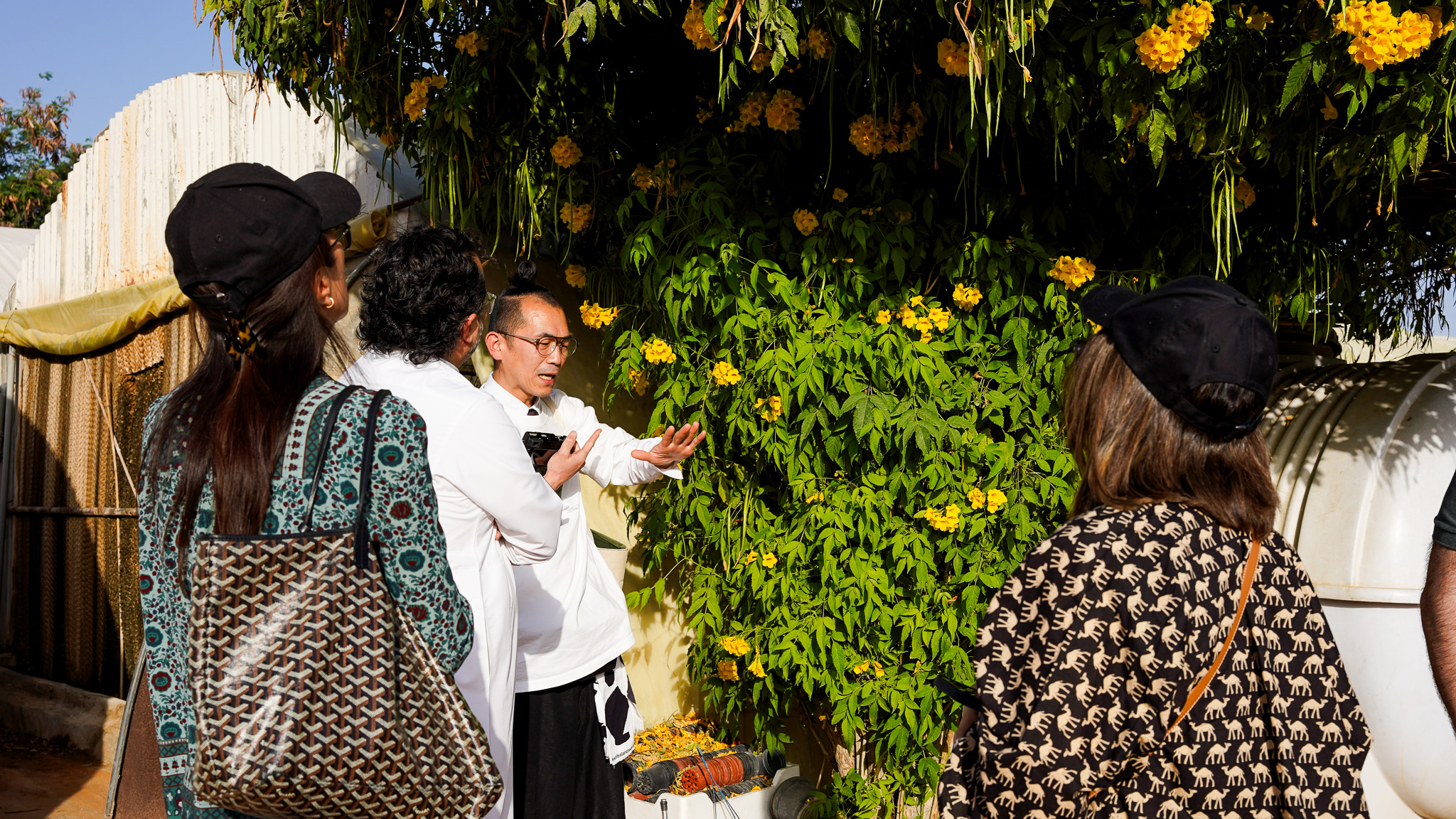
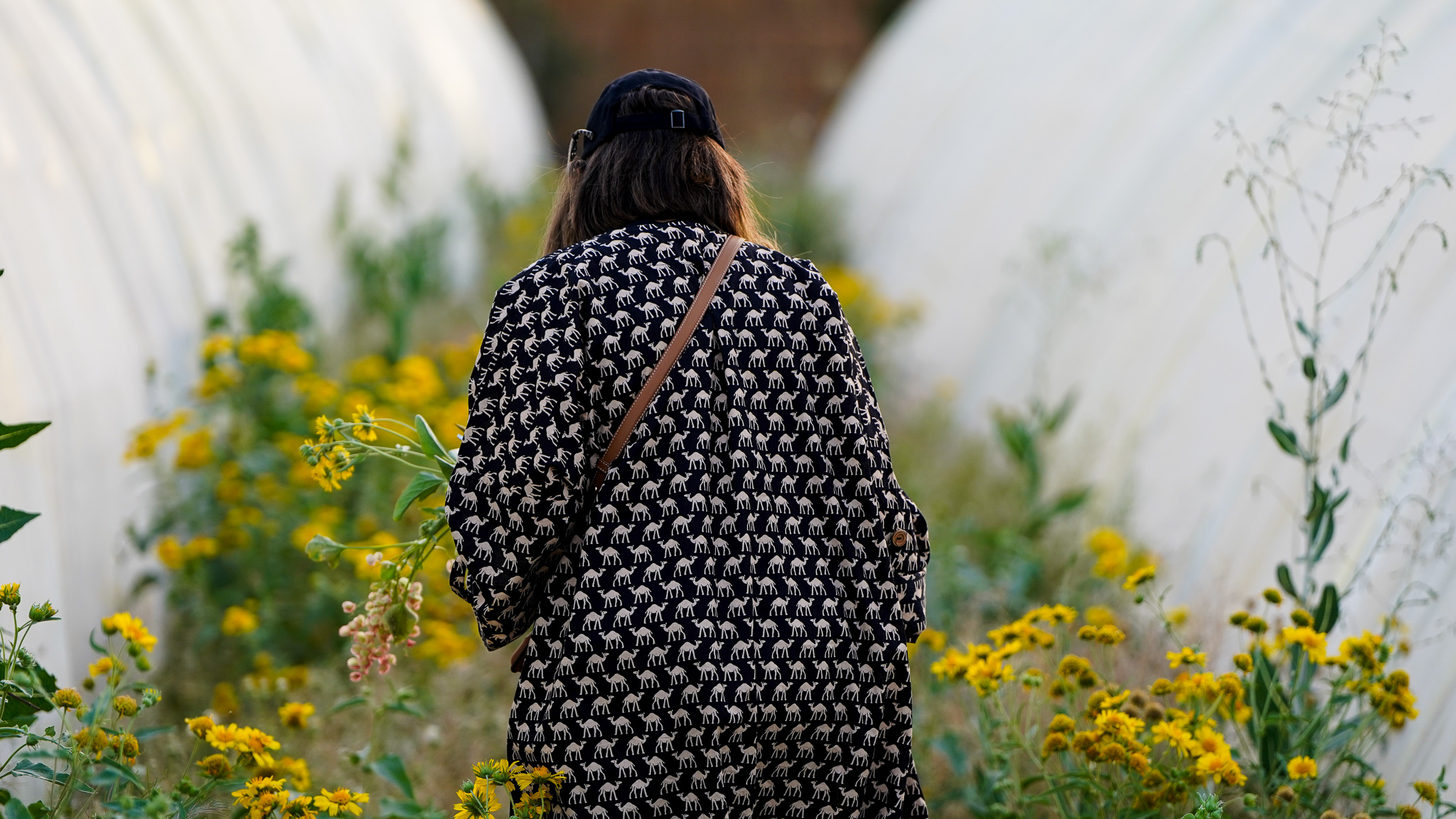
On the second day, participants gathered at a flower and plant farm outside the city. Together, we observed cultivated plants in the greenhouses, spontaneous plants growing from fallen seeds, dried grasses, and vegetation along the paths. Each participant then selected a small number of materials to use in the following day’s practice. Many were drawn not to commercial potted plants, but to weeds, dried stems, and plants growing at the edges of the farm.
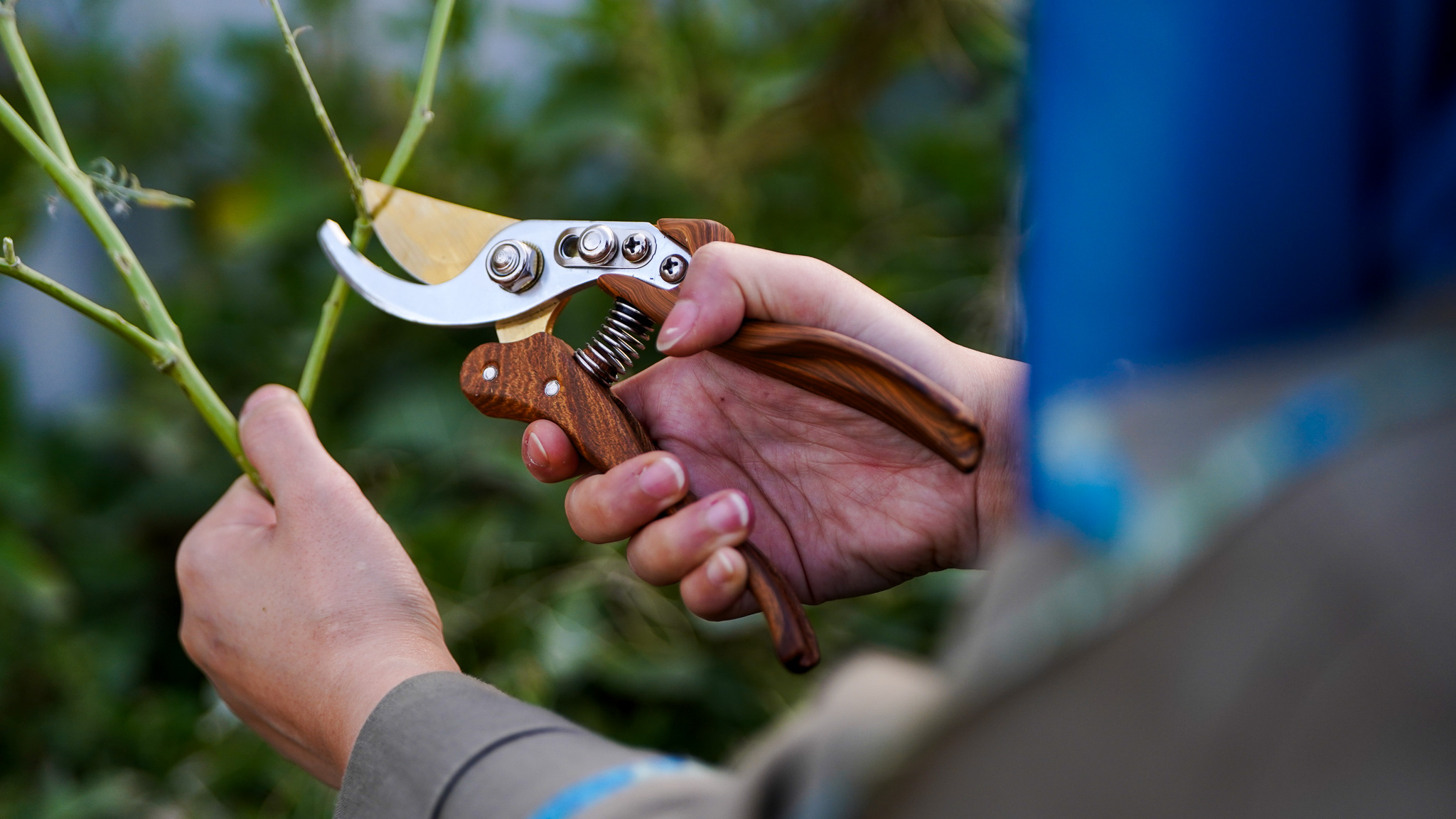
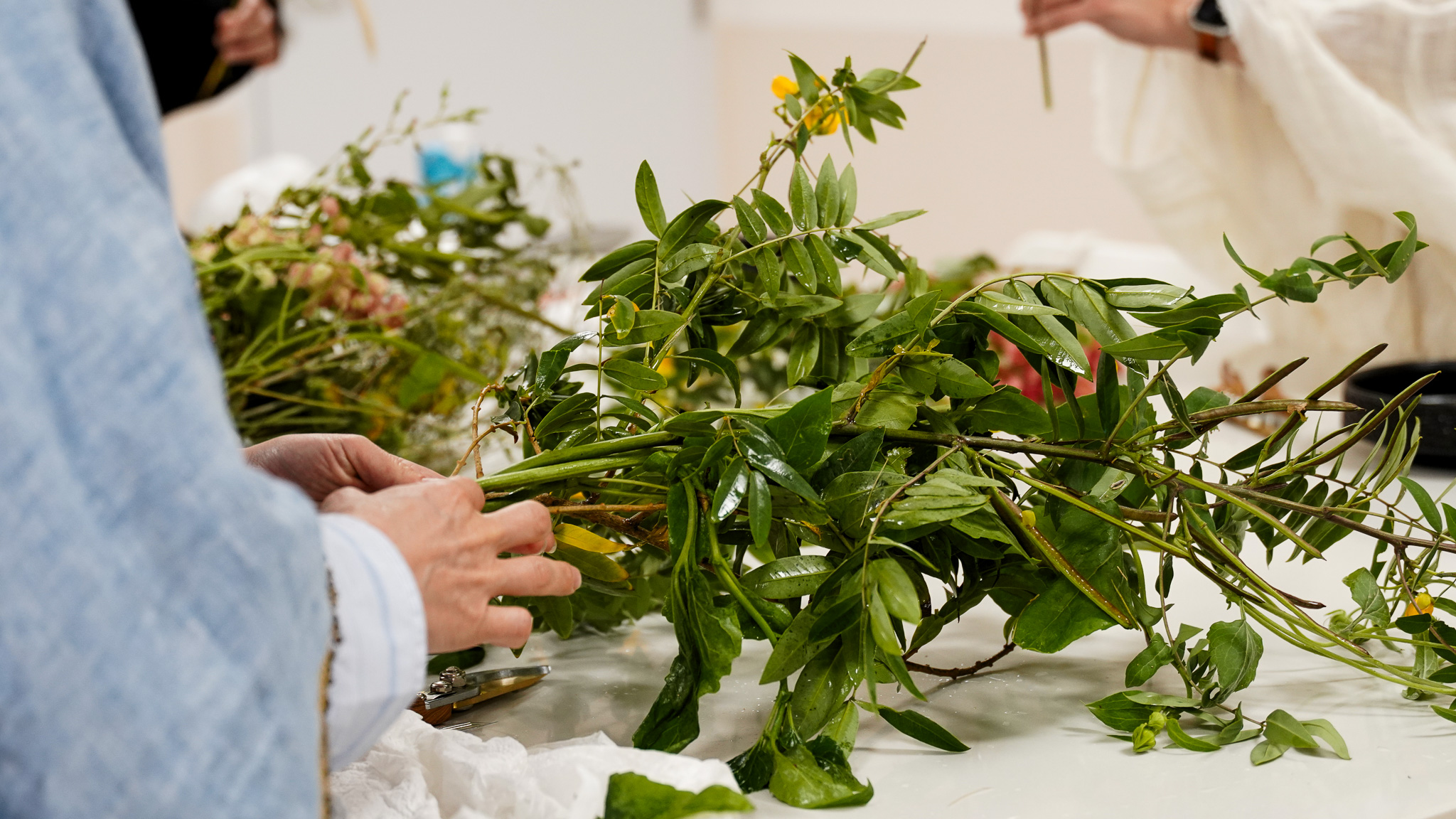
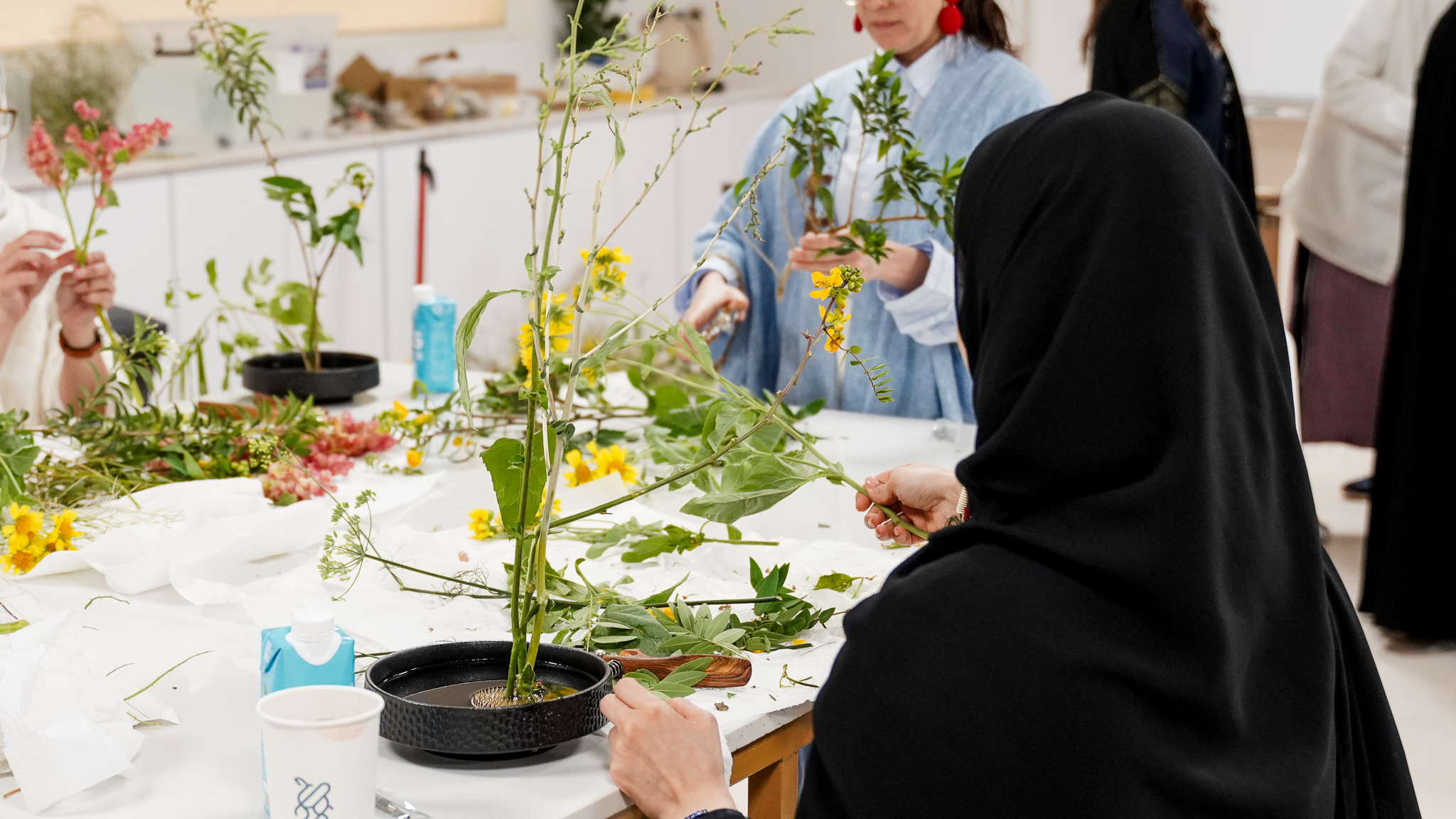
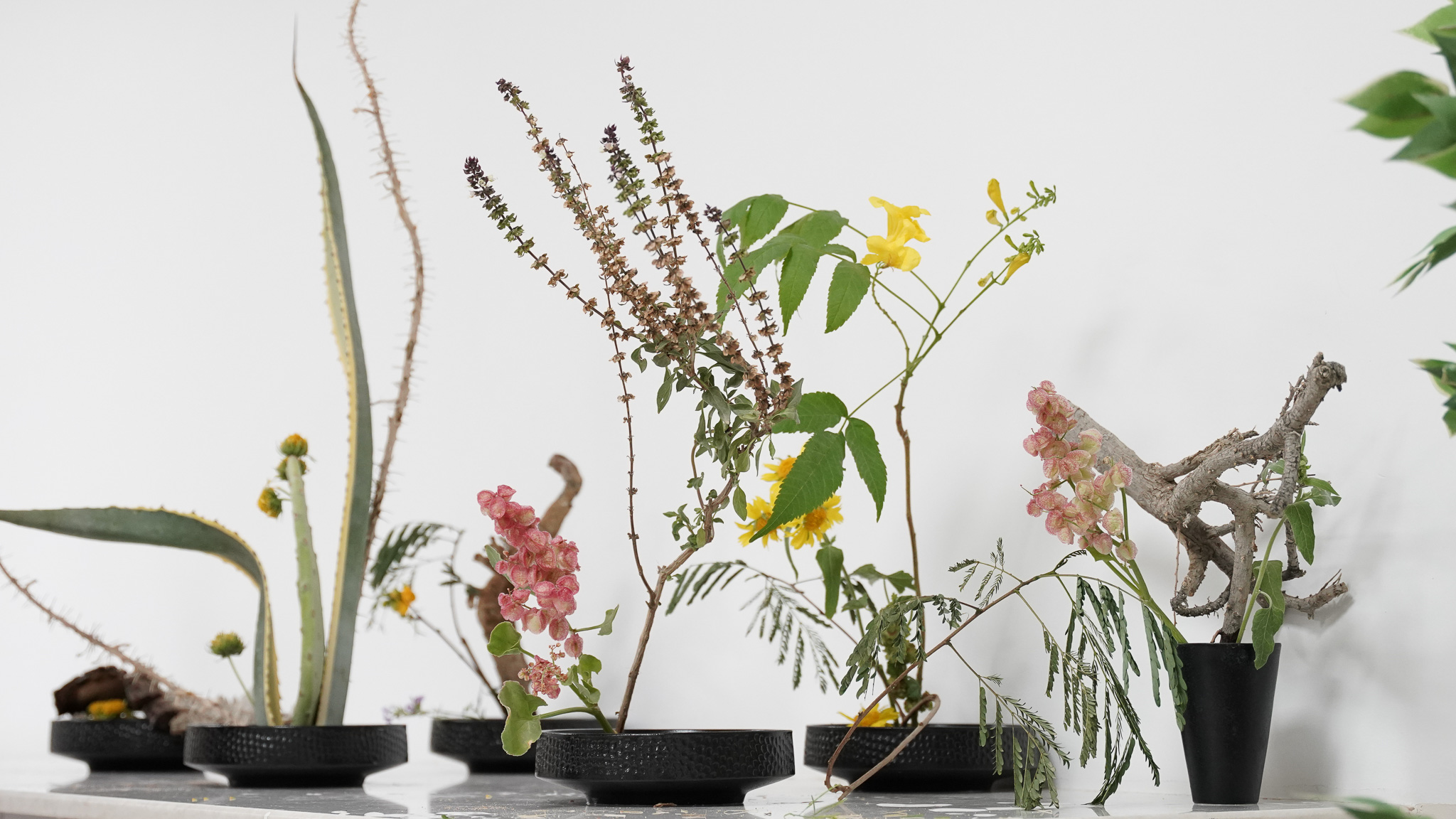
On the third day, participants created ikebana using the materials they had gathered. In consultation with the Foundation, we used simple bowl-shaped vessels, kenzan, and shears that could be obtained relatively easily. Participants were encouraged to remember how each plant had stood before being cut, the direction of light, and the qualities that had first attracted their attention. After each work was completed, I offered comments and adjustments, followed by documentation of the finished pieces.
Concept
いけばなは、特別な花材を用意することから始まるのではなく、
その土地にあるものをどのように見るかから始まります。
サウジアラビアでのプログラムでは、
農園で栽培されている植物だけでなく、
こぼれ種で育つ草、乾いた茎、道端に生える植物にも目を向けました。
参加者は、それぞれの手で植物を選び、
摘み取る前の姿や、光の方向、その植物に惹かれた理由を思い出しながら、
自らのいけばなを制作しました。
この過程で、いけばなは日本文化の紹介にとどまらず、
その土地の自然を見つめ直すための方法となります。
道端の草や、枯れた茎や、名も知らない植物に価値を見出すこと。
それは、自然を外側から鑑賞するのではなく、
自分がすでにその環境の中にいることに気づくための、
静かな入口でもあります。
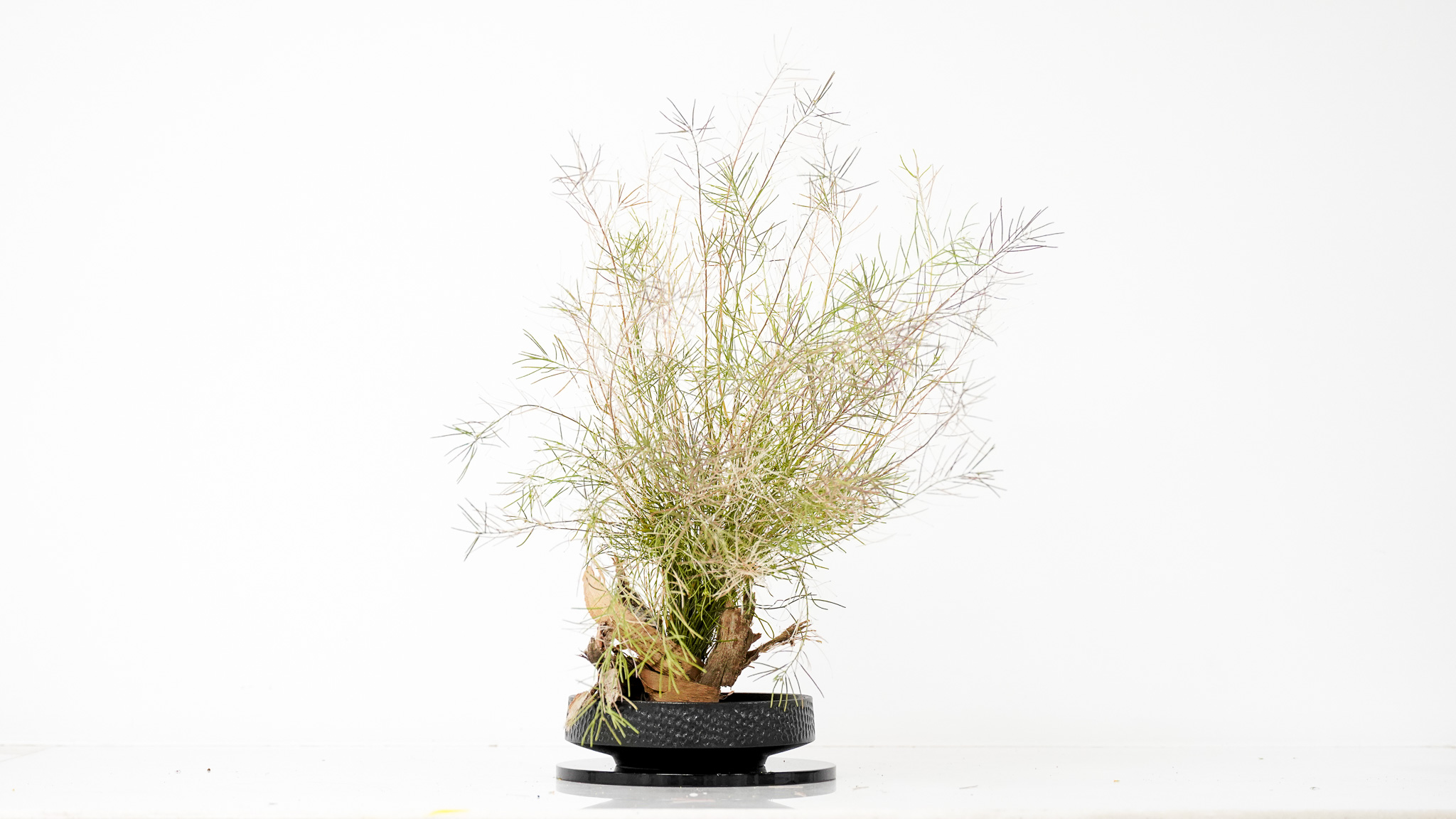
Official photography courtesy of Diriyah Biennale Foundation.